
Security Operations Centers are under pressure to stop sophisticated threats from every direction. The average SOC analyst spends 60% of their working hours, roughly 1,248 hours a year, on alert triage and initial investigation. Most of those alerts confirm false positives. At an average salary of $129K, the $77,000 in lost productivity per analyst compounds through cognitive burnout, talent attrition, and missed detections.
This psychological and operational strain takes a massive financial and structural toll on organizations. Here is a breakdown of what alert fatigue is actually costing your SOC.
Every Alert Demands Investigation, But Most Deliver Nothing
Security teams today are trapped in a cycle of reactive triage. Phishing emails, misconfigured permissions, and alerts lacking sufficient context all require the same investigative process as a genuine malicious incident.
This volume of triage creates a bottleneck where critical threats are buried underneath low-fidelity noise, exposing your business to AI-accelerated attacks. Every minute an analyst spends investigating a benign threat is a minute stolen from proactive defense.
Alert Fatigue Burns Out Your Team
Humans aren't built for sustained hyper-vigilance, especially when most warnings turn out to be benign. Constant high-alert status combined with repetitive high-time, low-value work triggers cognitive overload and burnout. This eventually leads to habituation: the mind's natural response to repetitive stimuli.
In a SOC, habituation shows up as analysts skimming logs, rushing through checklists, and closing alerts without thorough investigation to keep pace with the queue. The operational model itself degrades the human judgment it depends on, creating an invisible vulnerability inside your defense.
Burnout Is Costing Your Business
71% of SOC analysts report burnout, and 64% are likely to switch jobs within the next year. With an average salary of $129K, the business loses around $83,000 with each departure, before factoring in recruiting, onboarding, training, and ramp-up productivity loss.
Experienced analysts have options, and they leave for roles with better operational models. As a result, the recruitment cycle redirects budget away from investing in the security defenses, like Agentic Defense, that prevent burnout from occurring.
How GreyMatter Breaks the Alert Fatigue Cycle
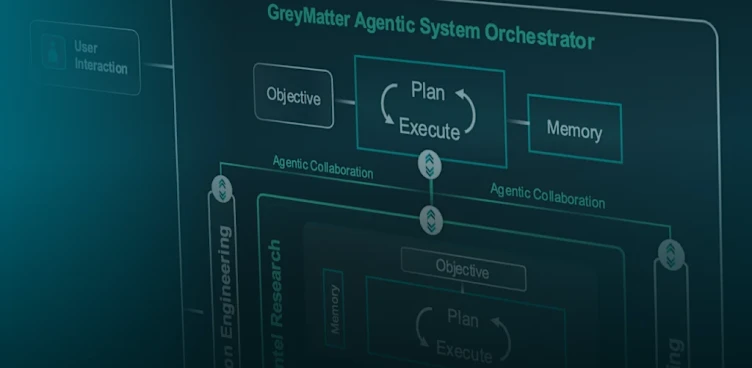
ReliaQuest GreyMatter breaks the cycle of alert fatigue by removing manual triage from your team to focus on Agentic Defense. GreyMatter's six Agentic Teammates operate autonomously across investigation and response, detection engineering, threat hunting, threat intelligence, IT, and OT—executing 200+ specialized skills across your existing technology stack.
The IR Analyst handles the full alert lifecycle, including correlation, enrichment, contextualization, and response execution. It investigates 78M alerts annually at 99.4% accuracy, applying risk-adjusted logic informed by 1,300+ enterprise environments. Tier 1 and Tier 2 work—the triage queue that drives habituation and burnout—runs without analyst intervention.
GreyMatter's Universal Translator normalizes telemetry to OCSF fields at ingest, so every data source correlates regardless of vendor or format. Detection happens at-source and in transit through GreyMatter Transit, averaging 5 seconds from telemetry event to validated alert. Defenders orchestrate the platform in plain language across their entire technology stack.
Alert Fatigue Is an Architecture Problem
Alert fatigue persists because the traditional SOC model routes every signal through human analysts regardless of fidelity or complexity. Normalizing alert fatigue as an unavoidable cost keeps the SOC stuck in an outdated model.
With GreyMatter's Agentic Teammates, your team can autonomously investigate and respond at machine speed, reducing noise and reclaiming productivity. By autonomously managing alerts across the full lifecycle, your analyst’s capacity is redirected to focus on high-impact initiatives like detection engineering, threat hunting, and security strategy.